Building an effective home maintenance safety training eLearning program means creating a structured curriculum that addresses hazard recognition, prevention protocols, and emergency response while meeting your organization’s compliance and performance goals. For L&D professionals and property management teams working with partners like Dryer Vent Clean Experts in Florida, this requires balancing universal best practices with region-specific challenges like hurricane preparedness, humidity-related mold risks, and electrical safety in aging coastal properties.
The stakes are high. Untrained maintenance staff generate 40% more workplace incidents, drive up liability insurance premiums, and create tenant dissatisfaction that erodes retention rates. Yet traditional classroom training pulls workers off-site, disrupts schedules, and rarely scales across multi-property portfolios. A well-designed eLearning solution solves these problems by delivering consistent, accessible training that employees complete on their own timeline while you track mastery and compliance in real time.
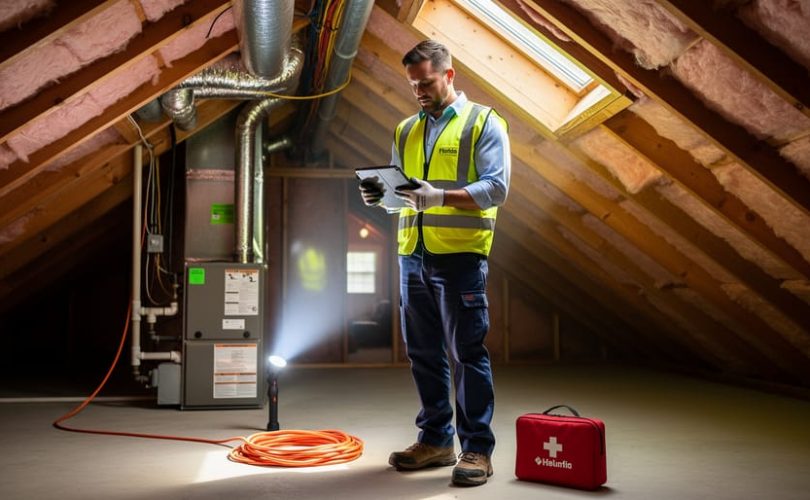
When you onboard maintenance staff or upskill existing teams, the learning experience must do more than list procedures. It needs to embed Neurolearning™ principles that ensure retention through spaced repetition, scenario-based decision-making, and immediate feedback loops. Design thinking methodology brings learner empathy to the forefront, so your training reflects the actual cognitive load of a technician replacing HVAC filters in a cramped attic or responding to a burst pipe at 2 a.m.
This guide walks you through the complete build process: conducting a needs assessment that uncovers real performance gaps, selecting the right authoring tools and multimedia assets, structuring modules around Florida-specific hazards including fire-prevention content, and implementing assessment strategies that verify competency rather than passive completion. You’ll leave with a roadmap that turns regulatory checkboxes into measurable business outcomes.
Why Florida Home Maintenance Demands Specialized Safety Training
Florida property managers face a perfect storm of maintenance challenges that most standard safety training simply wasn’t designed to address. The state’s relentless humidity fuels indoor mold growth year-round, accelerates metal corrosion in coastal areas, and creates ideal conditions for electrical hazards. Add in seasonal hurricane preparation windows that compress months of preventive work into weeks, and you have maintenance teams making critical safety decisions under time pressure.
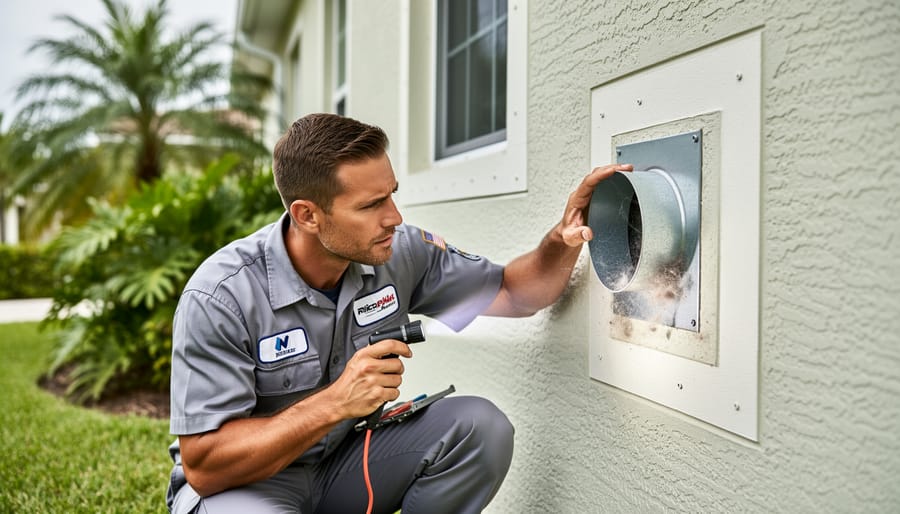
The dryer vent issue alone illustrates why Florida demands specialized training. Florida’s humid climate means dryer vents work harder and accumulate lint faster than in drier states. National data shows dryer fires need maintenance to prevent, and Florida’s conditions amplify that risk. A maintenance technician who learned basic procedures in Minnesota will miss the accelerated inspection cycles Florida properties require.
These risks translate directly to your bottom line. A single mold remediation claim can cost $15,000 to $30,000, while dryer vent fires create liability exposure that extends beyond property damage to tenant safety lawsuits. Insurance carriers increasingly audit maintenance training documentation, and gaps can trigger premium increases or coverage restrictions.
Traditional training models collapse under property management realities. Your maintenance staff work across dozens of properties, often hired locally with varying experience levels. Turnover in property maintenance roles averages 30 percent annually, meaning you’re constantly onboarding new technicians who need immediate, consistent safety knowledge. Classroom sessions require pulling workers off-site, delaying urgent repairs, and delivering one-size-fits-all content that doesn’t account for the specific hazards each property presents.
eLearning solves the delivery problem while addressing the knowledge problem. Mobile-accessible modules let field technicians refresh their understanding of hurricane shutter installation minutes before the task, not weeks after a forgotten classroom session. You can customize content to property types, multifamily complexes face different ventilation challenges than single-family homes, and update training instantly when Florida building codes change or new safety data emerges.
Tools and Resources You’ll Need
Building an effective home maintenance safety training program requires the right mix of technology, expertise, and content resources. Start by securing a learning management system capable of supporting remote employee training with mobile accessibility, since many maintenance technicians work in the field rather than at desks. Your LMS should track completions, scores, and certification renewals while supporting offline access for properties with spotty connectivity.
Content authoring tools form your creative engine. Look for platforms that support video integration, branching scenarios, and microlearning modules rather than static slide-based courses. The tools should accommodate Neurolearning™ design principles, meaning they need flexibility for storytelling, emotional engagement elements, and spaced repetition scheduling. Articulate 360, Adobe Captivate, or similar authoring suites offer the multimedia capabilities required for realistic safety scenarios.
Your subject matter expert team should include:
- HVAC technicians with dryer vent safety certification to validate cleaning protocols and fire prevention procedures
- Fire safety specialists familiar with Florida’s high humidity and its impact on lint accumulation and vent efficiency
- Florida-licensed building code experts who understand state-specific maintenance standards and hurricane preparedness requirements
- Experienced property maintenance supervisors who can identify common hazards and verify practical application
- Compliance officers to ensure training meets OSHA standards and liability documentation needs
Assessment and tracking systems must go beyond basic quiz scores. You’ll need performance-based evaluation tools that can capture photo submissions of completed work, time-stamped mobile check-ins for task verification, and competency sign-offs from supervisors. Mobile-friendly delivery platforms are non-negotiable since field technicians carry smartphones or tablets, not laptops. Prioritize responsive design that works across devices and allows technicians to access job aids and reference materials during actual maintenance tasks. Budget for annual content updates as Florida building codes and safety standards evolve.
Critical Safety Warnings and Compliance Requirements
Before you roll out any home maintenance safety training, you need to understand the legal and compliance landscape, because inadequate preparation doesn’t just risk worker safety; it exposes your organization to liability that no insurance policy wants to cover. Florida property management operates under a web of federal OSHA standards and state-specific building codes that directly affect how maintenance work must be performed and documented.
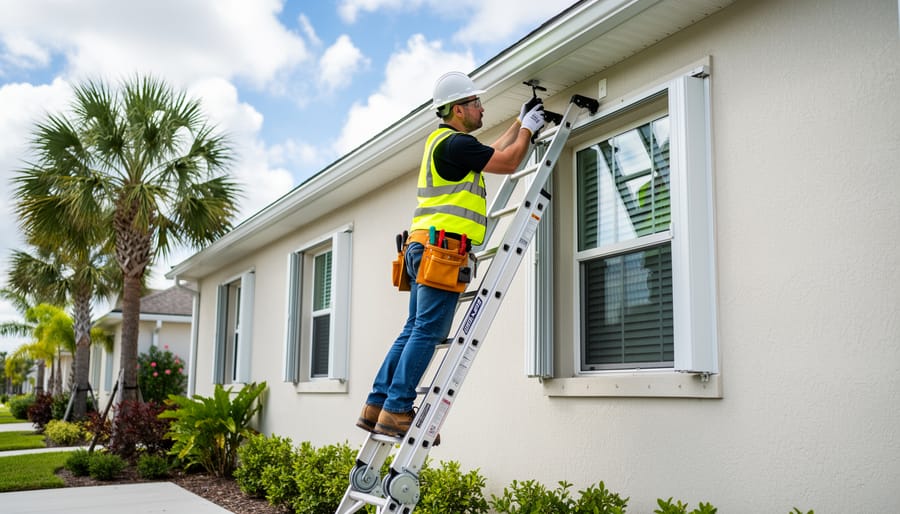
OSHA’s General Duty Clause requires employers to provide a workplace “free from recognized hazards,” which extends to maintenance staff working in residential properties. That means if your team handles electrical repairs, works at heights, or enters confined spaces, you must provide documented safety training that meets OSHA’s specific standards for those tasks. Florida’s building codes add another layer, particularly for work involving structural modifications, electrical systems, and fire safety measures, areas where shortcuts can trigger both code violations and serious injury.
The documentation piece matters more than many L&D professionals realize. During compliance audits or after an incident, you’ll need to prove not just that training happened, but that workers demonstrated competency. Compliance eLearning systems excel here because they automatically track completion dates, assessment scores, and individual learning paths, records that become critical evidence if your organization faces litigation or regulatory scrutiny.
Know when to pause and bring in specialists. If your training program will cover lockout/tagout procedures, fall protection, or hazardous material handling, consult an occupational safety attorney and certified safety professionals before launch. The cost of expert review is negligible compared to the financial and human cost of getting it wrong.
Step-by-Step: Building Your Home Maintenance Safety eLearning Program
Step 1: Conduct a Safety Gap Analysis
Start by observing your maintenance teams in action before designing any training content. Shadow technicians during routine inspections, watch how they approach dryer vent cleanings or ladder setups, and note where they hesitate or improvise workarounds. These moments reveal gaps between written procedures and real-world practice.
Pull incident reports from the past two years and look for patterns. If three properties reported dryer fires in humid summer months, that’s a training priority. If workers repeatedly strain muscles during ladder work, your current safety protocols aren’t sticking.
Survey your staff directly about confidence levels with high-risk tasks. Ask open-ended questions: “What part of electrical troubleshooting makes you nervous?” or “When do you feel rushed to skip safety steps?” Design thinking demands this empathy phase, understanding the pressure a technician feels when managing twelve work orders before lunch helps you create training that addresses real constraints, not ideal conditions.
Document everything you find: unsafe shortcuts, knowledge gaps around Florida building codes, confusion about proper PPE for mold remediation. This audit becomes your content roadmap, ensuring you build training that solves actual problems rather than checking compliance boxes.
Step 2: Design Learning Objectives Around Real Hazards
Transforming safety gaps into learning objectives requires more precision than “employees will understand dryer vent safety.” Instead, craft outcome statements that define observable behaviors: “Technician will demonstrate the three-point dryer vent inspection sequence using proper tools and identify blockage severity levels.”
Start with your highest-risk hazards from Step 1. For each, write objectives that specify the action, the conditions, and the success criteria. “Given a residential dryer installation, technician will remove and inspect the entire vent run, measure airflow restriction, and document findings using the standard checklist within 20 minutes.”
Apply Neurolearning™ principles by building emotional connection into objectives. Frame one around consequence: “Recognize visual warning signs of lint accumulation that preceded the 2024 Coral Springs dryer fire.” This activates memory through narrative rather than abstract rules.
Structure objectives in progressive difficulty, creating natural spaced repetition opportunities. Begin with identification skills, advance to assessment procedures, culminate in decision-making under ambiguous conditions. Each objective should translate directly into an assessment item you’ll design in Step 5, ensuring your training delivers what your gap analysis revealed Florida maintenance teams actually need.
Step 3: Develop Scenario-Based Content with Storytelling
Turn your safety objectives into memorable learning experiences by crafting scenarios that mirror the real hazards Florida maintenance crews face daily. Scenario-based content leverages Neurolearning™ principles, emotional engagement and decision-making activate stronger memory formation than passive instruction ever could.
Start with incidents that actually happen. A technician discovers a dryer vent clogged with lint and debris during a routine inspection. Present the learner with choices: continue with other tasks and schedule cleaning for next week, attempt cleaning without proper tools, or follow immediate safety protocol. Each path reveals consequences, the delayed response leads to a simulated fire scenario, while proper action prevents catastrophe. This emotional weight makes the lesson stick.
Build branching scenarios around Florida-specific challenges. A pre-hurricane inspection presents multiple property vulnerabilities simultaneously: loose roof tiles, unsecured patio furniture, inadequate window protection. Learners prioritize tasks under time pressure, experiencing the downstream effects of poor sequencing. Another scenario places them in a humid electrical room where corrosion isn’t immediately obvious, do they trust visual inspection alone or use proper testing equipment?
Effective storytelling means real consequences within the simulation. Show flooded units, calculate repair costs, display tenant complaints. Let learners fail safely, then guide them through the correct approach. These vivid experiences translate directly to cautious, competent behavior on actual properties.
Step 4: Incorporate Multimedia and Microlearning Modules
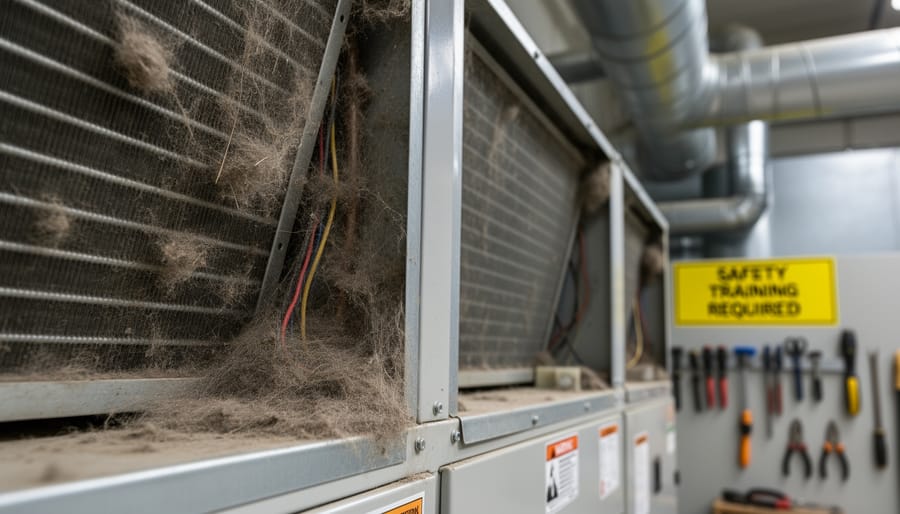
Florida maintenance workers often train between job sites, making mobile-friendly microlearning essential. Break your program into focused modules covering single tasks rather than comprehensive overviews. A three-minute video demonstrating proper dryer vent disconnect and brush technique delivers more value than a thirty-minute general HVAC safety lecture.
Design each module around one learning objective. A photo recognition exercise should focus solely on distinguishing mold from mildew, not simultaneously covering removal protocols and PPE requirements. This respects cognitive load theory: learners absorb information better when concepts arrive in digestible chunks rather than dense presentations.
Prioritize visual demonstrations for procedural tasks. Video captures the correct angle for extending an extension ladder, the proper brush motion for vent cleaning, and the telltale signs of electrical corrosion in humid climates. Pair videos with downloadable job aids maintenance staff can reference on-site without searching through course content.
Consider bandwidth constraints in the field. Compress videos without sacrificing clarity, offer offline download options, and provide text alternatives for workers with limited connectivity. A well-designed microlearning library becomes a just-in-time resource library, not just a one-time training event.
Step 5: Build Assessments That Verify Competency
Multiple-choice quizzes won’t prove a technician can safely clean a dryer vent or identify electrical hazards in a humid crawlspace. Design assessments that mirror actual job performance: present learners with photographs of maintenance scenarios and ask them to identify all safety violations before proceeding. Create drag-and-drop exercises where workers sequence the correct steps for dryer vent inspection and cleaning, penalizing dangerous shortcuts. Build branching scenario assessments where judgment calls determine outcomes, choosing to skip PPE or ignore a frayed wire leads to realistic consequences within the simulation.
Performance-based assessments generate the documentation compliance audits demand while revealing genuine competency gaps. Incorporate interactive review games that turn hazard recognition into engaging challenges, reinforcing learning through repetition without tedium. Require minimum mastery thresholds, typically 85% or higher on safety-critical tasks, before certifying completion, and build automatic flagging for learners who struggle with high-risk procedures like electrical work or ladder safety, triggering supervisory review or hands-on coaching.
Step 6: Pilot, Gather Feedback, and Iterate
Launch your program with five to ten maintenance technicians who represent different experience levels and property types. This small-scale pilot reveals usability issues and content gaps before full deployment.
Track both quantitative and qualitative data from day one. Monitor completion rates, assessment scores, and time spent per module. But numbers alone don’t tell the whole story. Schedule brief interviews with pilot participants after they complete key modules, ask what felt confusing, which scenarios matched their real work, and whether mobile access functioned reliably on job sites.
Pay special attention to field application. Have supervisors observe technicians performing tasks covered in training, like dryer vent inspections. Does the training translate to safer behaviors? If workers still skip safety steps or misapply procedures, your content needs revision.
Apply design thinking’s iteration cycle: analyze pilot feedback, identify patterns in struggles or successes, refine scenarios and assessments accordingly, then test changes with the next small group. One Florida property management company discovered their ladder safety module failed because it showed scenarios in sunny conditions, adding rain and wind contexts immediately improved relevance and retention.
This iterative approach ensures your final program works in real-world maintenance conditions, not just on screens.
Verification and Measuring Training Effectiveness
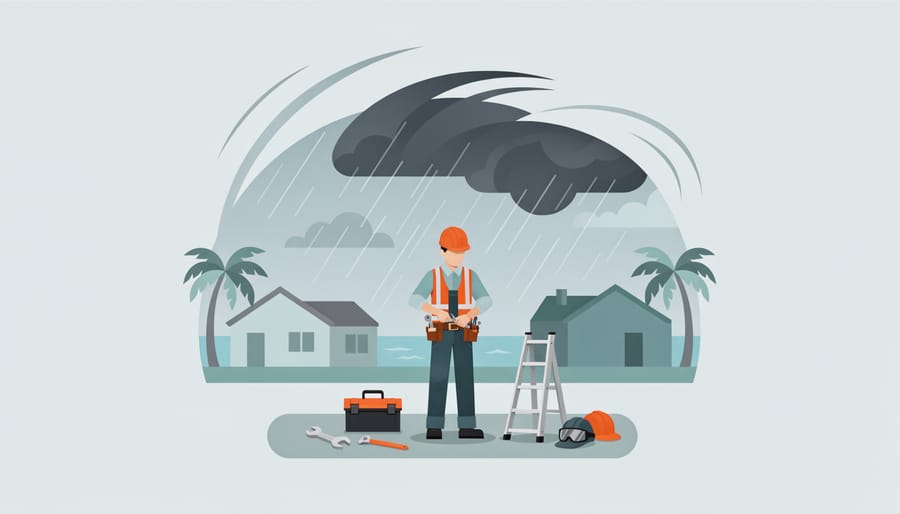
Verification separates well-intentioned training from programs that actually reduce risk. For Florida home maintenance safety training, you need quantitative metrics and qualitative observation working together to prove your eLearning investment is protecting properties and people.
Start with your LMS dashboard metrics. Completion rates show whether workers are engaging, but drill deeper: segment by property type, crew experience level, and module topic. If dryer vent safety modules have 95% completion but mold remediation sits at 62%, you’ve identified a content problem or a scheduling conflict. Assessment scores reveal knowledge acquisition, but set meaningful passing thresholds (85% for safety-critical content) and track attempts-to-pass. Workers struggling with ladder safety assessments may signal gaps in your multimedia demonstrations or unclear learning objectives.
Time-to-competency matters for business operations. If new maintenance technicians took eight weeks to handle hurricane prep independently before training and now reach competency in four weeks, that’s measurable efficiency gain. Track this against onboarding timelines and supervisor sign-off dates.
Move beyond the LMS to verify real-world application. Implement observation protocols where supervisors shadow workers during high-risk tasks quarterly, using standardized checklists aligned with your training content. Did the technician follow the six-step dryer vent inspection procedure taught in module three? Observation data validates whether learning transfers to job performance.
The most powerful metric is incident rate tracking. Compare maintenance-related accidents, property damage claims, and near-miss reports for the six months before training launch against post-training periods. A 40% reduction in electrical incidents or zero dryer fires after implementing your program demonstrates ROI that executives understand.
Supplement quantitative data with learner confidence surveys. Ask workers to rate their comfort level performing specific tasks before training and three months after. Rising confidence paired with declining incident rates confirms your Neurolearning™ approach is building genuine competency, not just checking compliance boxes. Track learning effectiveness across these multiple data streams to build a complete picture, then share results with property management leadership in terms of reduced liability exposure and protected asset value.
Next Steps: Scaling and Continuous Improvement
Once your pilot demonstrates measurable safety improvements and positive learner feedback, you’re ready to expand strategically. Start by deploying the validated program across additional properties, prioritizing locations with the highest incident rates or newest maintenance teams. This phased rollout lets you refine logistical challenges without overwhelming your support infrastructure.
Build specialized modules to address property-specific equipment and scenarios. Pool maintenance crews need training on chemical safety and circulation system hazards. Coastal properties require advanced hurricane shutter installation protocols. Multi-family complexes face unique elevator maintenance and fire suppression system considerations. These targeted modules deepen expertise beyond foundational safety, positioning your team as true professionals rather than general handymen.
Establish a refresh training calendar aligned with Neurolearning™ spaced repetition principles. Schedule dryer vent safety reviews every six months, hurricane preparedness refreshers each spring, and electrical hazard updates annually. Short, focused refreshers combat the forgetting curve more effectively than annual marathon sessions. When Florida updates building codes or OSHA revises standards, push microlearning updates immediately rather than waiting for the next training cycle.
Create a searchable library of just-in-time resources accessible from mobile devices in the field. A technician discovering unusual mold growth shouldn’t wait until the next training session. They need instant guidance through a three-minute video or illustrated checklist. This performance support transforms your eLearning system from periodic training event into daily operational tool, embedding safety consciousness into routine workflows and sustaining the behavioral change you’ve worked to build.
Frequently Asked Questions
How long does it take to build a complete safety training program from scratch?
For a focused program covering core Florida maintenance hazards, expect 6-8 weeks from gap analysis through pilot launch. The timeline depends on your team’s eLearning expertise, the complexity of scenarios you’re developing, and how quickly subject matter experts can review content for accuracy.
What if maintenance staff resist eLearning or prefer hands-on training?
Frame eLearning as the knowledge foundation that makes hands-on practice safer and more efficient, not as a replacement for fieldwork. Use short modules with immediate job application, demonstrate how mobile access saves time, and involve respected crew members in content development to build buy-in.
How do we ensure mobile access for field workers who don’t sit at desks?
Choose an LMS with responsive design that works seamlessly on smartphones and tablets, keep individual modules under 10 minutes so they fit into work breaks, and design content for low-bandwidth environments since field technicians may rely on cellular data. Test the entire experience on the devices your workers actually carry.
Can we customize content for multi-family properties versus single-family homes?
Absolutely. Build a core curriculum covering universal hazards like dryer vent safety and ladder protocols, then create branching modules addressing property-specific scenarios such as centralized laundry facilities in apartments or individual unit maintenance in single-family communities.
How often should dryer vent safety training be refreshed?
Schedule refresher training annually at minimum, with additional microlearning reminders before peak usage seasons. If incident reports or maintenance audits reveal knowledge gaps, deploy targeted refreshers immediately rather than waiting for the annual cycle.
What compliance documentation do we need to maintain?
Your LMS should automatically track completion dates, assessment scores, and time spent on each module for every learner. Export this data quarterly for compliance audits, and maintain records showing how training content aligns with OSHA standards and Florida building codes.
These questions reflect real concerns from property management companies implementing safety training across distributed teams. The answers acknowledge practical constraints while offering specific solutions that have worked for similar organizations. Notice how each response connects back to measurable outcomes, whether that’s completion rates, reduced incidents, or smoother compliance audits.
When you’re fielding questions from stakeholders who remain skeptical about eLearning for hands-on maintenance work, share concrete examples from your pilot program. A maintenance supervisor who initially resisted digital training but later used a quick mobile refresher to correctly identify a clogged dryer vent becomes your most powerful advocate. Documentation of real prevented incidents makes the business case far more effectively than theoretical benefits.
Building a home maintenance safety training program for Florida properties delivers measurable returns that extend far beyond compliance checkboxes. You reduce liability exposure by equipping maintenance teams with verified competencies in high-risk tasks. You protect physical assets from climate-specific threats like humidity damage and hurricane impacts. Most importantly, you empower workers with confidence and knowledge that keeps them safe every day.
The process we’ve outlined moves systematically from gap analysis through pilot testing to verification, grounding each decision in Neurolearning™ principles that ensure retention. You don’t need to tackle everything at once. Start with one critical safety area, dryer vent maintenance for example, where fire risk intersects with Florida’s humid climate. Build that module well, measure its impact on both competency and incident rates, then expand.
This approach transforms maintenance culture from reactive firefighting to proactive prevention. When field technicians access scenario-based microlearning on their phones before entering a property, they spot hazards before they become emergencies. That shift from responding to problems to preventing them represents the true value of innovative eLearning: safer teams, protected investments, and sustainable operational excellence across your Florida portfolio.